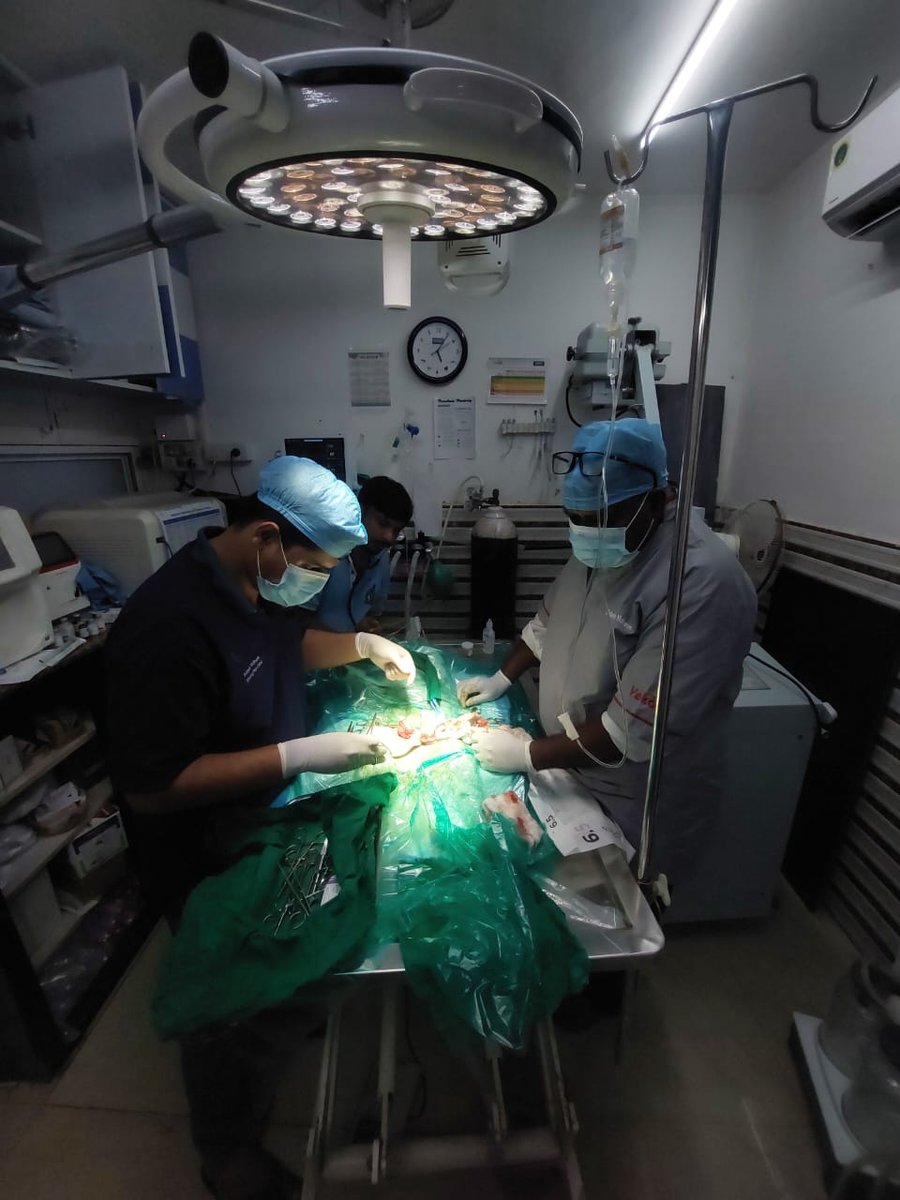
What Is Spaying?
Spaying (ovariohysterectomy) is the surgical removal of a female cat's ovaries and uterus. It's performed under general gas anaesthesia and is one of the most frequently performed procedures at our clinic.
Why Spaying Matters
- Eliminates the risk of pyometra — a life-threatening uterine infection common in unspayed cats
- Removes the risk of ovarian and uterine cancer entirely
- Significantly reduces the risk of mammary tumours, especially if done before the first heat cycle
- Stops heat-cycle yowling, restlessness, and escape attempts
- Prevents unwanted litters
What to Expect at Shivraj Pet Clinic
We recommend spaying before the first heat cycle (typically 5-6 months) for the strongest protection against mammary tumours, though we safely spay cats of any age. Surgery takes 30-40 minutes, with same-day discharge in most cases and a suture check 10 days later.
Common Signs to Watch For
Loud yowling or restlessness (heat cycle)
Frequent attempts to escape outdoors
Discharge from the vulva
Lethargy with loss of appetite
Abdominal swelling (possible pyometra)
Frequently Asked Questions
When should I spay my cat?
Before the first heat cycle, usually around 5-6 months, gives the strongest protection against mammary tumours later in life.
My cat already had kittens — is it too late to spay?
No. Spaying is beneficial at any age and still removes future pregnancy and uterine disease risk.
How long does recovery take?
Most cats are back to normal within 7-10 days. We recommend an e-collar to prevent licking the incision.
Is this the same as a hysterectomy in humans?
Similar in concept — we remove both the uterus and ovaries, which is more thorough than ovary-only sterilization and prevents uterine disease entirely.