What Is Dog Neutering?
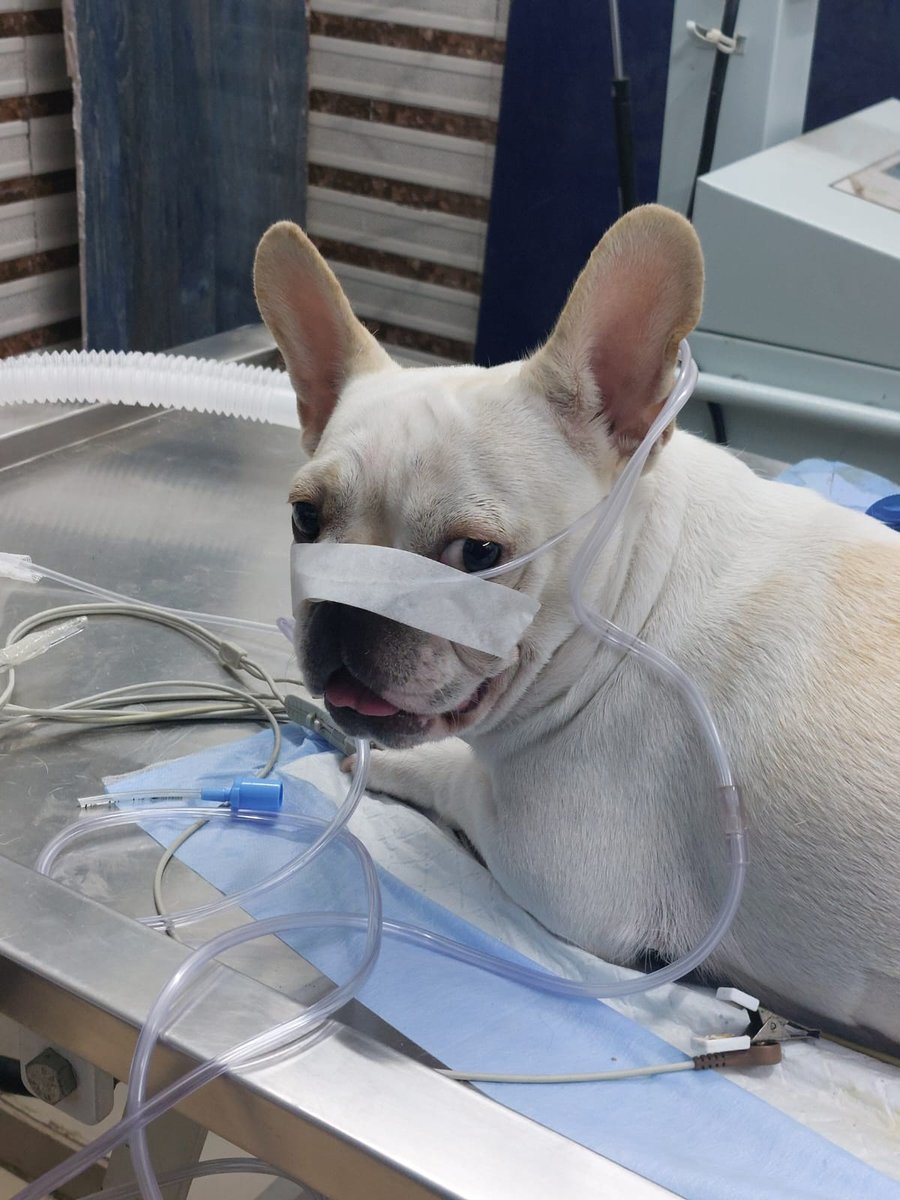
Neutering (castration) is the surgical removal of a male dog's testicles, performed under general anaesthesia. It's one of the most common and safest procedures in veterinary medicine, typically completed within 30-45 minutes with the dog going home the same evening.
Why Pet Owners Choose Neutering
- Eliminates the risk of testicular cancer entirely
- Significantly reduces prostate problems in older age
- Reduces marking, mounting, and roaming behaviour
- Often reduces aggression toward other male dogs
- Helps control the local stray dog population
What to Expect at Shivraj Pet Clinic
We use gas anaesthesia rather than older injectable-only protocols — it's safer for the heart and lungs, and dogs recover alertness faster. Pre-surgery bloodwork is done in our in-house lab the same morning, so there's no waiting on outside results before we operate. Most dogs go home within a few hours of surgery, with a 10-14 day recovery and a follow-up suture check included.
Common Signs to Watch For
Roaming or escaping to find mates
Mounting behaviour
Urine marking indoors
Aggression toward other male dogs
Visible testicular swelling or asymmetry
Frequently Asked Questions
What age should I get my dog neutered?
Most vets, including ours, recommend neutering between 6 and 9 months of age, though we evaluate larger breeds case by case since some benefit from waiting until closer to a year.
Will neutering change my dog's personality?
It typically reduces roaming, marking, and male-to-male aggression, but won't change a dog's core temperament or playfulness.
How long is recovery?
Most dogs are back to normal activity within 10-14 days. We provide an e-collar and pain medication, and a follow-up check is included.
Is anaesthesia safe for older dogs?
We run pre-anaesthetic bloodwork on every patient, especially seniors, using our in-house lab to assess organ function before surgery.