Why Lumps Need Evaluation, Not Just Watching
Not every lump is cancer — many are benign lipomas, cysts, or warts. But the only way to know for certain is examination, and in some cases, a needle aspirate or biopsy. We never recommend surgery on a guess; we diagnose first, then decide together whether removal is needed.
Our Process
- Step 1 — Physical exam: we assess size, location, growth rate, and firmness
- Step 2 — Fine needle aspirate: a quick, low-discomfort sample examined under our in-house microscope, often same-visit
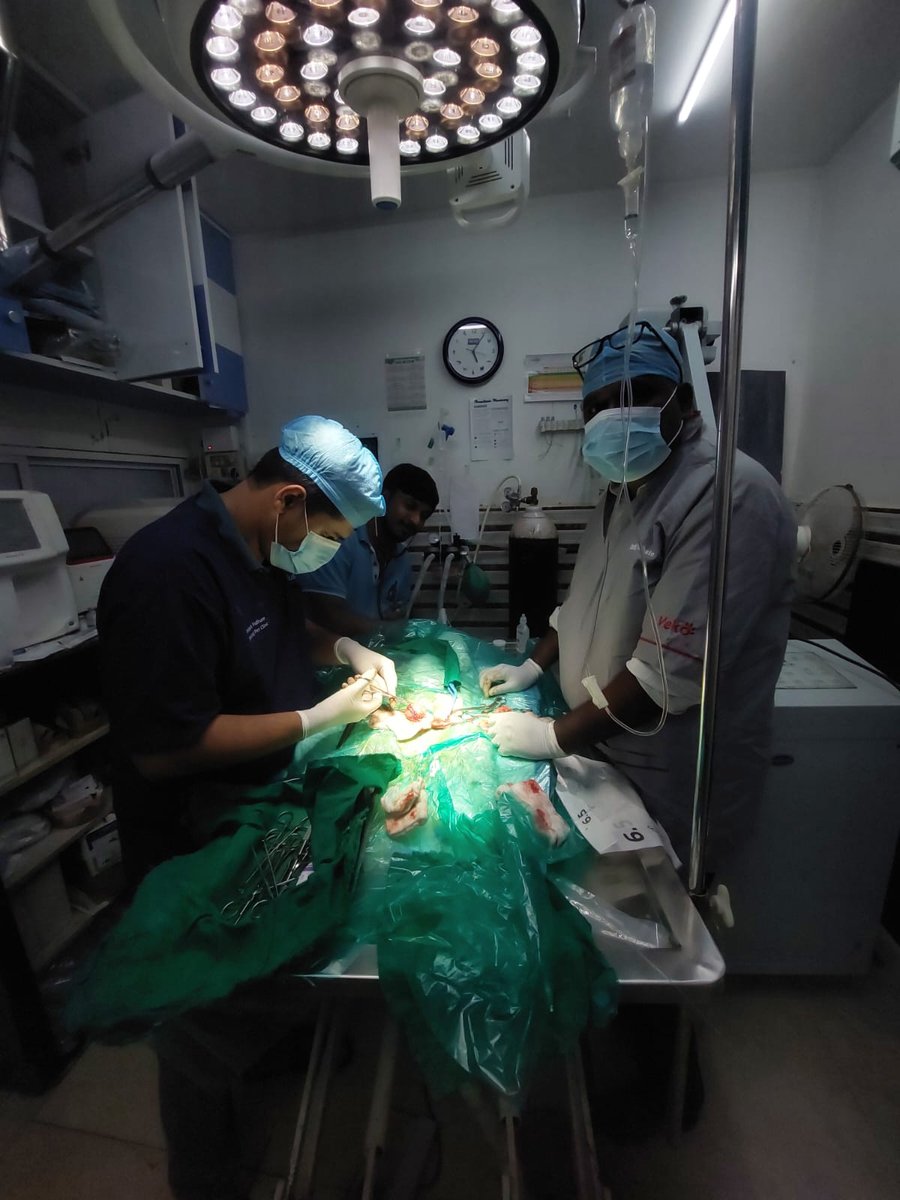
- Step 3 — Surgical removal if indicated: performed under gas anaesthesia with margins assessed during surgery
- Step 4 — Pathology: for any mass with cancer risk, we send tissue for histopathology to confirm complete removal
Mammary Tumors Specifically
Mammary tumors are common in unspayed female dogs, especially over age 7. Roughly half are malignant in dogs, which is why we evaluate promptly rather than waiting. Spaying significantly reduces this risk in the first place — see our Dog Neutering & Cat Spaying pages.
Common Signs to Watch For
New lump or bump anywhere on the body
A lump that's growing or changing shape
Bleeding or ulceration on a mass
Multiple lumps along the mammary chain
A lump your dog licks or chews at
Frequently Asked Questions
Is every lump cancer?
No — most skin lumps in dogs turn out to be benign (lipomas, cysts, warts). But size, location, and growth speed all matter, which is why we examine rather than guess.
Do you need to biopsy before surgery?
For many masses, a quick needle aspirate during the same visit gives us enough information to plan surgery. Full biopsy after removal confirms the diagnosis.
How big can a mass be before it's a problem?
Size matters less than behaviour — a small, fast-growing, firm, or ulcerated mass is more concerning than a large, slow-growing, soft one. We'll tell you honestly which category yours falls into.
Will my dog need chemotherapy after surgery?
Most benign and many malignant masses need only surgical removal. We'll discuss further treatment only if pathology results indicate it's necessary.