Foreign Body Removal — When Your Pet Swallows Something They Shouldn't
Toys, socks, string, bones, stones — pets swallow things that can block or tear the intestines. Fast diagnosis prevents a small problem becoming a fatal one.
Why This Is More Common Than You'd Think
Dogs and cats — especially puppies, kittens, and naturally curious breeds — frequently swallow objects that can't pass through the digestive tract. Common culprits we see: socks, string or thread (especially dangerous in cats), small toy parts, fruit pits, and bones that splinter.
How We Diagnose It
If you've seen your pet eat something concerning, or they're showing symptoms without a known cause, we start with a same-visit digital X-ray. Many objects (bone, metal, dense plastic) show up clearly. For items that don't show on X-ray, like fabric or thread, we use in-house ultrasound to look for the secondary signs — bunched intestines, obstruction patterns, or fluid buildup.
Treatment Options
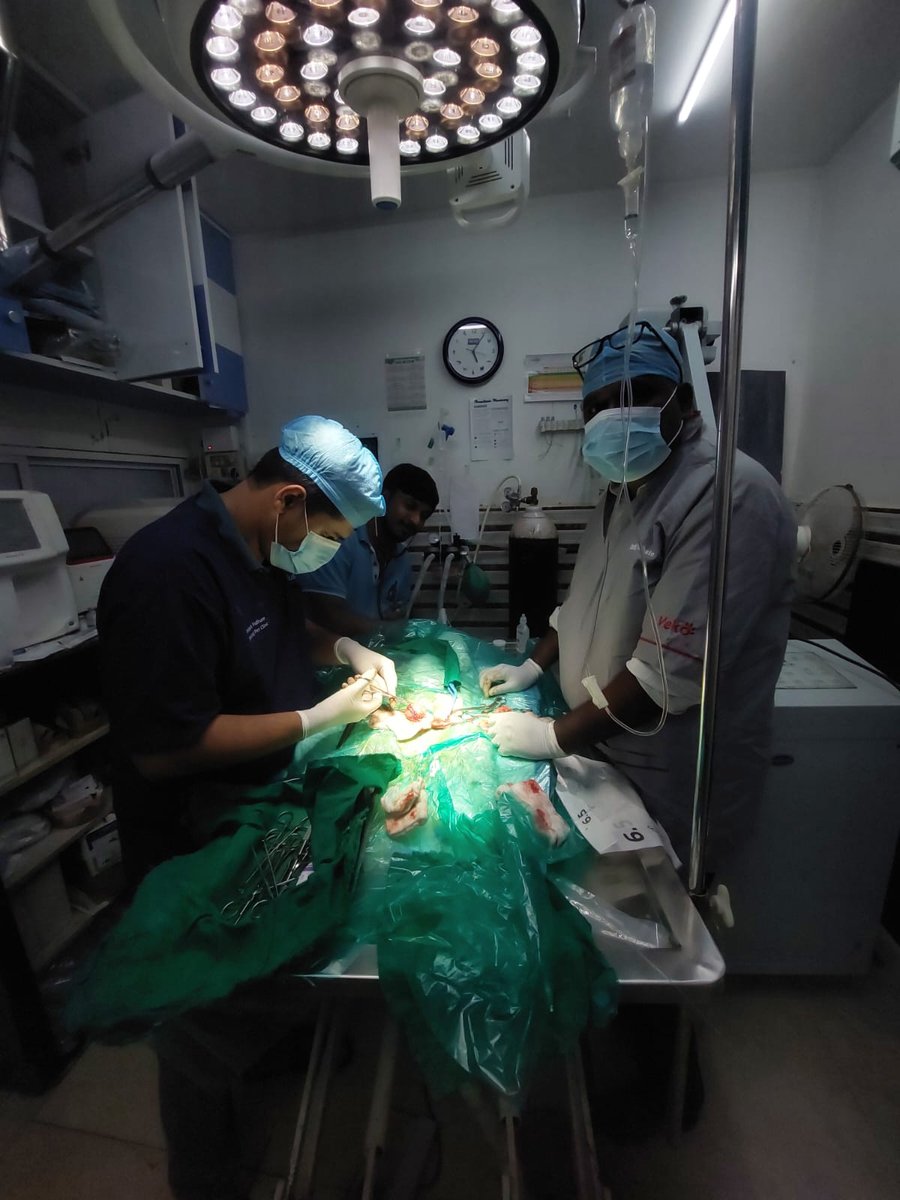
Not every swallowed object needs surgery. Small, smooth objects sometimes pass naturally and we may monitor with repeat imaging. Sometimes an object can be removed endoscopically if it's still in the stomach. But if it's caused an obstruction or has moved into the intestines, surgical removal (enterotomy) is needed — and the timeline matters, since a blocked or torn intestine becomes an emergency.
Common Signs to Watch For
Repeated vomiting, especially right after eating or drinking
Loss of appetite lasting more than a day
Visible straining with little or no stool
Lethargy combined with abdominal discomfort
You directly witnessed your pet eat a non-food item
Frequently Asked Questions
My dog ate a sock yesterday and seems fine — should I still bring them in?
Yes, get them checked. Some objects sit in the stomach for days before causing a blockage, and catching it on X-ray before symptoms worsen is far safer than waiting.
My cat keeps trying to swallow string — why is this dangerous?
String and thread are uniquely dangerous in cats because one end can anchor (often under the tongue) while the rest is pulled into the intestines, causing a sawing injury internally. This is always an urgent case — call us right away.
Will my pet need surgery every time they swallow something?
Not always — size, shape, and location matter. We'll image first and give you an honest assessment of whether monitoring, endoscopy, or surgery is the right call.
How can I prevent this from happening again?
We'll talk through specific prevention strategies for your pet's habits during the visit — often it's about what's left within reach rather than a behavioural issue to "fix."